Sunday, August 22, 2021

The pH and alkalinity of the Metro Vancouver drinking water

Effective June 7, 2021, to protect copper pipes and hot water tanks in buildings, Metro Vancouver increases the pH and alkalinity of the region’s drinking water through the use of natural minerals. This increase will:

  • Reduce the release of copper from pipes in buildings caused by low pH in the region’s water;
  • Reduce leaks in pipes caused by copper corrosion;
  • Help preserve the lifespan of pipes and hot water tanks; and
  • Reduce green stains on tubs, sinks, and grout.

Metro Vancouver currently delivers water with a pH of 7.7, which is compliant with Health Canada’s Guidelines for Canadian Drinking Water Quality, which range from 7 to 10.5. Adjusting the pH is an existing key component of Metro Vancouver’s water treatment process because our untreated source water is naturally slightly acidic.

Increasing the pH to a target range of 8.3 to 8.5 will make the water less corrosive. To help improve the stability of the target pH level in the water transmission and distribution pipes, the alkalinity will be doubled to about 20 mg/L (expressed as calcium carbonate) using natural minerals. Alkalinity is a measure of the buffering capacity of the water to neutralize acids and bases to help maintain a stable pH level. These changes might prompt some water users such as health care facilities and breweries to adjust and calibrate their operations to the change in pH and alkalinity.

Metro Vancouver will continue to deliver high-quality drinking water throughout the region that tastes and smells the same.


http://www.metrovancouver.org/services/water/engagement/projects-and-initiatives/corrosion-control-program/Pages/default.aspx

Tuesday, June 1, 2021

Managing Internal Water Systems


Water leaks are often the source of damage and insurance claims in multi-family buildings. This bulletin covers the life cycle management of water systems in multi-unit residential buildings, including strata housing, rental buildings, and co-operative housing.

Click here to download from BC Housing website

Friday, March 26, 2021

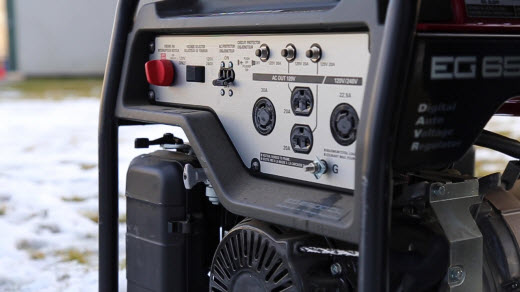
Power Generator Safety at home

https://www.redcross.ca/how-we-help/emergencies-and-disasters-in-canada/be-ready-emergency-preparedness-and-recovery/generator-safetyEmergency generator

Using a Generator Safely at Home

Using a portable generator after a power outage is definitely handy, but generators can be dangerous if they’re used incorrectly. Be cautious and always follow all safety instructions provided by the manufacturer. The following are some safety tips and information about the dangers of home generators. You should consult a professional for assistance when installing a home generator and for advice with respect to your specific circumstances and generator type.


Setting up your generator

  • Start by making sure the generator has all the necessary safety labels.
  • Make sure the generator you purchase is rated for the power that you think you will need.
  • Find a qualified electrician to install the generator in a safe location.
  • Before using a generator make sure the unit is properly grounded and follow the instructions and electrical codes carefully.
  • When in doubt always ask a professional.

Potential Hazards

The two main hazards to be aware of when using a generator are electrocution and carbon monoxide poisoning. Portable generators can also be fire hazards.
 

Electrocution

  • Losing power during a flood is not uncommon. However, never use a generator in a flooded basement. It’s important to keep the generator in a dry place.
  • Make sure to protect the generator from rain and cover it with a canopy if necessary.
  • Always operate the generator in a dry place and make sure your hands are dry.

Carbon Monoxide Poisoning

  • Carbon monoxide poisoning happens when someone breaths in too much carbon monoxide, an odourless colourless gas that can be deadly.
  • Be sure to keep the generator somewhere with proper ventilation.
  • If the generator is outside, don’t place it close to any windows or vents because carbon monoxide can build up inside. 
  • Have working carbon monoxide detectors throughout your home and check the batteries frequently. If the detectors are wired to the house’s electricity supply, make sure they have battery-powered back-ups.
  • The symptoms of carbon monoxide poisoning include dizziness, headaches, nausea and tiredness. If you experience any of these symptoms go outside for fresh air immediately.

Fire Hazard

  • Generators become extremely hot during operation.
  • Let the generator cool down and turn it off before refueling. Never refuel the generator while it’s still hot.
  • Store your fuel outside in approved containers. Don’t store any fuel near a fuel-burning appliance or the generator itself.
Canadian Red Cross emergency preparedness information is provided for free to the public on an “as is” basis to increase preparedness and safety. Best effort is made to ensure accuracy and the absence of defects. However, Canadian Red Cross does not warrant the accuracy, completeness, timeliness, fitness for a particular purpose, or non-infringement of the information. By using the information, you agree that Canadian Red Cross is not liable for any defect in the materials, any decision or action you take based on the materials, or any associated damage or expenses (direct or indirect).

Sunday, October 18, 2020

Ask A Home Inspector

Before The Inspection

Do not settle for the first home inspector that pops up on your Google search? Take some time to talk to the home inspectors beforehand so that you can find the best one for you. So you already have one lined up once you find a home.  Here are some questions to ask before the inspection:

  • What do you check?
  • What do you not check?
  • How long have you been an inspector?
  • What do you charge?
  • How long will an inspection take?
  • Can I come with you?

During The Meeting

Attending your home inspection is always a good idea so that you can see what the inspector is looking at and ask any questions right away. A home inspector's report is often highly technical, and it can be hard to decipher; it is much easier if the inspector can just tell you what is wrong.

The crucial questions to ask during the home inspection:

  • What does that mean?
  • How big of an issue is this?
  • What is that (suspected issue), and does it need to be repaired?
  • What are your main concerns about the house?

After The Inspection

Now that the inspection is finished, there are a few more questions you can ask the inspector. The reports they give can look intimidating, and you may need to check with them on certain issues in the report to ensure you do not need to worry about them.

  • These are some of the important questions to ask:
  • Can you clarify [issue]?
  • What specific problems concern you, and approximately how much will they cost to repair?
  • Is there anything I will need to do immediately after I move it?
  • Do I need to have another expert come in for a follow-up inspection?

Monday, August 31, 2020

What You Need to Know About Your Ceiling Fan’s Direction

From FamilyHandyman.com

ceiling fan can help keep your home cool in the summer and warm in the winter. But did you know you should change the direction your ceiling fan spins from season to season?

Why Does It Matter Which Direction a Ceiling Fan Spins?

Ceiling fans help circulate air in your home. While most people are familiar with the cooling effect that circulating air can have during the warm-weather months, they may not realize that circulating air can help keep your home warm when the temperatures turn cool. This makes ceiling fans great to use during any time of the year.

It all depends which direction the ceiling fan rotates. Spinning it the right way at the right time can help keep everyone in your home comfortable and save money on your utility bills.

What Direction Should It Spin in Summer?

Your ceiling fan should spin counterclockwise during the summer months. This position is also known as the “forward direction.” A ceiling fan that spins counterclockwise forces air downward, providing cooling relief when it’s hot. It’s recommended to run the fan faster the hotter it gets to increase the cooling airflow.

What Direction Should It Spin in Winter?

Conversely, ceiling fan needs to spin clockwise during the winter months. This position is also known as the “reverse direction.” Because warm air rises, the air near the ceiling can be three to four degrees warmer than air near the floor. A ceiling fan that spins clockwise will draw cooler air up and force warmer air near the ceiling down and out toward walls. It’s best to run the fan on a low speed so that it doesn’t create too much of a cooling breeze.

Does It Matter Which Room You’re In?

Keep the fan direction in mind when you’re looking to cool down or warm up a room. For instance, run the fan counterclockwise if an oven heats up your kitchen beyond what’s comfortable, or body heat from a gathering of people makes a room too toasty. Conversely, run a fan clockwise to amplify the heat from a fireplace or any other heat source in a room.

How to Change the Direction of a Ceiling Fan

Most types of ceiling fans have a switch on the motor that lets you change the direction by sliding it one way or the other. You will most likely need a ladder to reach it. Always make sure your fan is turned off and completely still before getting on the ladder.

More tricked-out ceiling fans come with remote controls with buttons that let you easily and conveniently change the spin direction and speed of the fan.